

Your first night with a senior rescue dog rarely goes as planned. Older dogs carry their own histories, and even the best preparation can’t predict every reaction.
Senior dogs need more time to adjust than puppies do. They often show stress as they try to process such a big change.
Understanding what to expect and how to help makes the first night easier for both of you. Setting up the right space and knowing when to give them room are both important.
Prepare Your Home Before They Arrive
Your senior rescue dog needs a quiet environment and some basic supplies ready before they arrive. If you take a little time to set up their space, you help them feel safer.
Create a Comfortable Safe Space
Give your senior dog a spot to rest after all the stress of moving. Get a dog bed with extra padding or memory foam support, since older dogs often struggle with sore joints.
Put the bed in a quiet corner. Your dog should see what’s going on without being in the middle of everything. If your dog likes crates and is used to them, set up a crate with soft bedding as their safe retreat.
Many senior dogs appreciate having their own little den. If the crate is new to them, don’t force it.
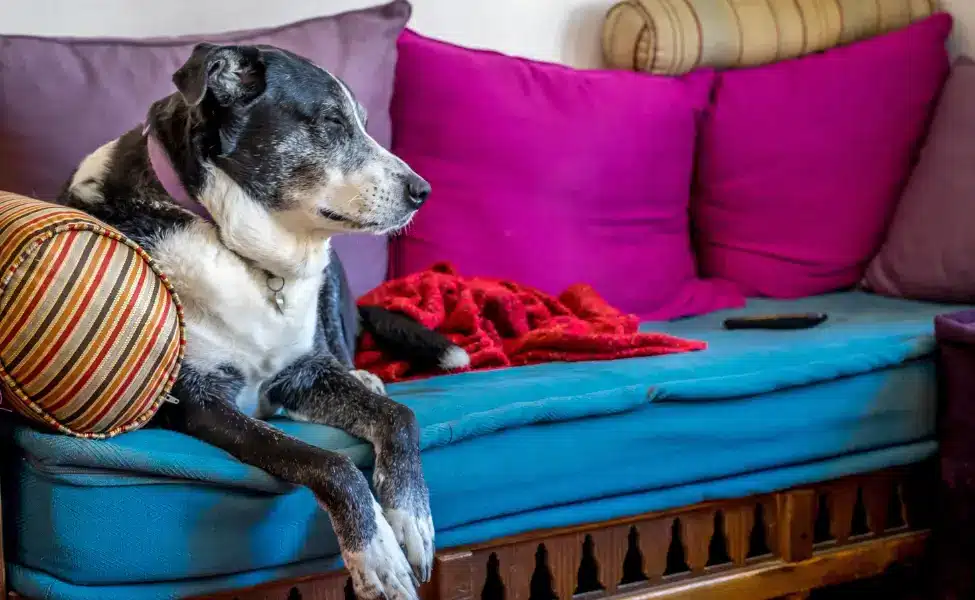
Keep their safe space away from busy areas, but still close enough so they don’t feel left out. Avoid putting the bed near loud appliances or rooms that get shut at night.
Gather What You’ll Need
Gather basic supplies before your senior dog comes home. You’ll need food bowls, a leash, a collar with ID tags, and any medications.
Ask the shelter or foster parent what food they’ve been eating. Switching brands too quickly can upset their stomach. Bring in a soft blanket and a couple of safe toys, even if your dog doesn’t seem playful at first.
A nightlight in their sleeping area helps them feel less anxious. Accidents may happen, so have cleaning supplies ready, but steer clear of strong-smelling cleaners that bother your dog.
Bring Them Home the Right Way
How you introduce your dog to their new home sets the tone for everything that follows.
Bring your senior rescue dog home at a quiet time when you can pay attention to them. Skip any big welcome parties for now and limit visitors.
Your dog just left a stressful situation and needs some peace. Show them around the house and yard, pointing out where food and water bowls are.
Keep them on a leash, even in fenced yards, until they’re more comfortable. Let them explore at their own pace and don’t rush things.
If you have other pets, introduce them one at a time. If you already have another dog, meet up on neutral ground for a short walk before heading inside together.
Keep an eye on everyone’s body language during these first meetings.
Help Your Senior Dog Through the First Night
Your dog’s first night goes better if you plan ahead. Set up a quiet sleeping area, go slow, and expect a few bumps as you both adjust.
Set Up a Calming Bedtime Routine
Start winding down about an hour before bed. Take your senior rescue dog outside for a bathroom break and a gentle walk.
Place their bed in a quiet part of your home. Keep things peaceful as bedtime approaches. Dim the lights and use a soft voice.
Skip loud TV or music that startles your dog. Some senior dogs like white noise or gentle classical music to cover up strange sounds.
Offer a small treat or light snack before bed, but avoid heavy meals. Make sure fresh water is close by.
Follow these bedtime steps:
- Bathroom break 30 minutes before sleep
- Turn off bright lights
- Place something with a familiar scent by their bed
- Keep the room at a comfortable temperature
Build Trust From Night One
A predictable routine helps your dog feel safe. Trust builds from that foundation.
Your senior rescue dog will likely feel uncertain on their first night. Sit quietly near their bed and let them come to you if they want.
If they seem open to it, give gentle pets on their chest or shoulders. Avoid reaching over their head, since that feels scary.
Talk to them in a reassuring voice. Some dogs like having you sleep nearby for the first night or two, so you can put their bed in your room or even sleep on the couch close to them.
This helps them feel safer without crowding them. Don’t worry if your new dog keeps their distance at first.
Building trust with your rescue dog takes a while, especially if they’ve had a rough past. Reward calm behavior with quiet praise or a small treat.
That way, your dog starts to link their new home to good things.
Handle Common First Night Problems
Your senior rescue dog may whine, pace, or act restless during the night. That’s normal when they’re in a brand new place.
Stay composed and don’t let frustration show. If your dog keeps whining, check if they need to go outside.
Older dogs may have bladder control issues. Take them out quietly and keep things low-key.
Some dogs follow you everywhere or scratch at doors, which is usually just separation anxiety. Leaving a piece of your worn clothing by their bed helps.
Accidents may happen on the first night. Clean up with an enzyme cleaner to get rid of odors.
Never punish your dog for accidents. That just makes things harder for both of you.
Look out for these common settling challenges:
- Excessive barking signals they’re scared or uncomfortable
- Panting or drooling shows they’re anxious or stressed
- Refusing to lie down may indicate discomfort or unfamiliarity with the space
- Trying to escape is usually fear or wanting to get back to something familiar
If you stay gentle and give them time, your senior rescue dog will settle in at their own pace.
Watch for Health Issues
Book a vet appointment within the first few days after adoption. Senior dogs sometimes come with hidden health issues that affect their sleep and comfort.
A vet can check for things like arthritis, heart trouble, or signs of cognitive decline. These conditions affect a dog’s rest.
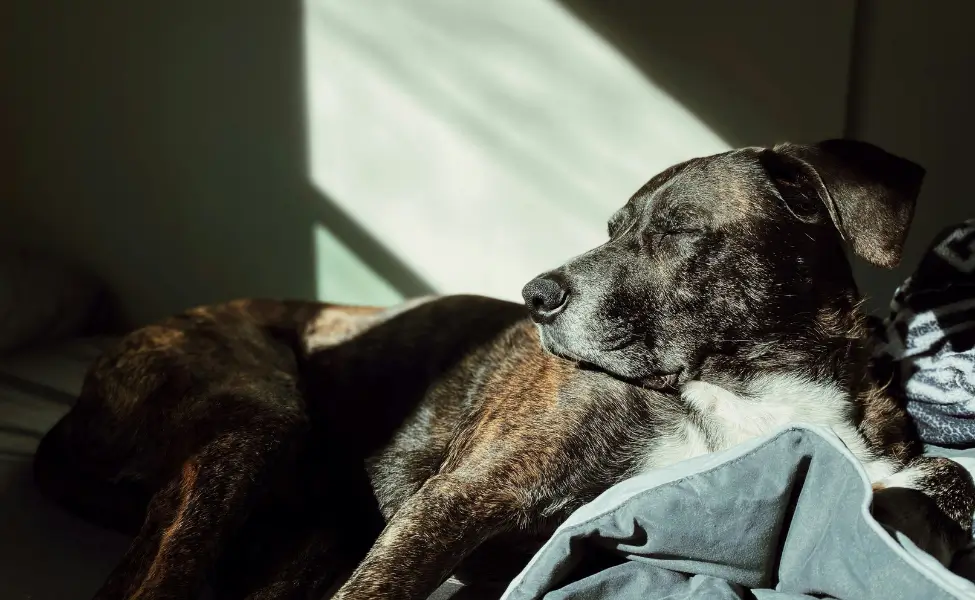
Keep an eye out for pain or discomfort at night. If your dog grunts when lying down, shifts around a lot, or wakes up often, something may hurt or need attention.
They may need pain meds or a different bed. Swapping out their bedding makes a world of difference.
Keep emergency vet contact info somewhere you can grab it fast. Older dogs sometimes have sudden health scares, especially when they’re still getting used to a new place.
Watch your dog’s breathing and movements at night, but don’t hover. Check in every so often, but let them sleep if they’re finally resting.
Big breeds need extra attention to their joints. Watch for signs of discomfort.
Consider getting steps or a ramp if you want them on the couch or bed. Why make it harder on their old bones?
The first night is just the beginning. Every dog adapts at their own speed, shaped by their past experiences and personality.
Give yours the time and space they need. Most senior dogs surprise their new families with how quickly they settle once they realize they’re finally home for good.