
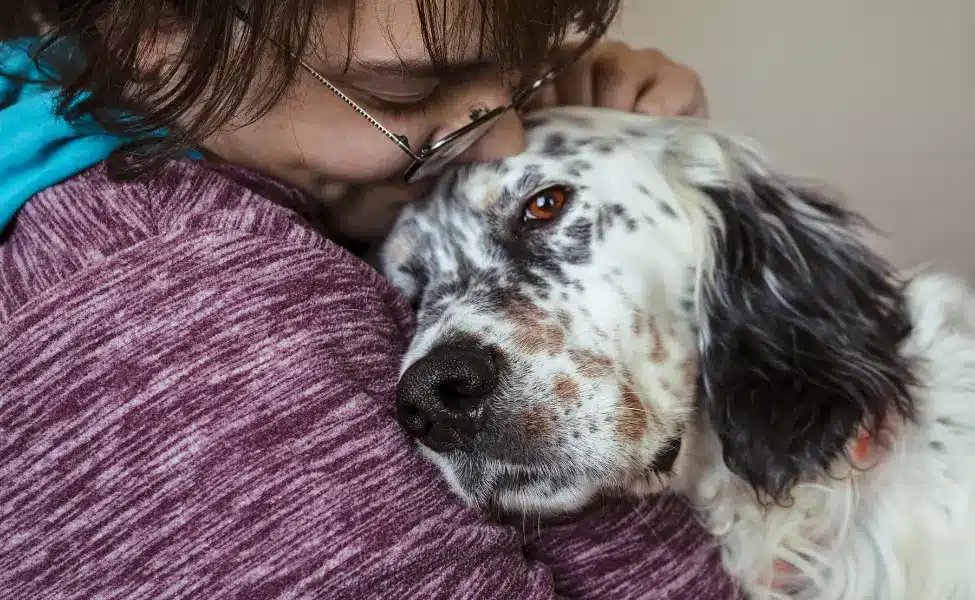
Moving is hard on everyone. For a senior dog, it can feel like the world changed overnight. The smells are new. The sounds are unfamiliar. Even the floor can feel strange under their paws.
Most senior dogs can settle well when you keep things steady and gentle. You are not trying to rush bonding. You are showing them, day by day, that this home is safe and that you are reliable.
Why senior dogs often struggle at first
Older dogs tend to lean more on routine. Many are also managing sore joints, weaker balance, or changes in hearing and vision. A new home can push all of that to the surface.
Stress is not always loud. Some dogs pace or pant. Others get quiet, sleep more than usual, or stop exploring. Look for patterns over a few days instead of judging one rough night.
If your dog seems unwell, appears painful, or suddenly changes in a big way, involve your vet early. Discomfort can look like anxiety.
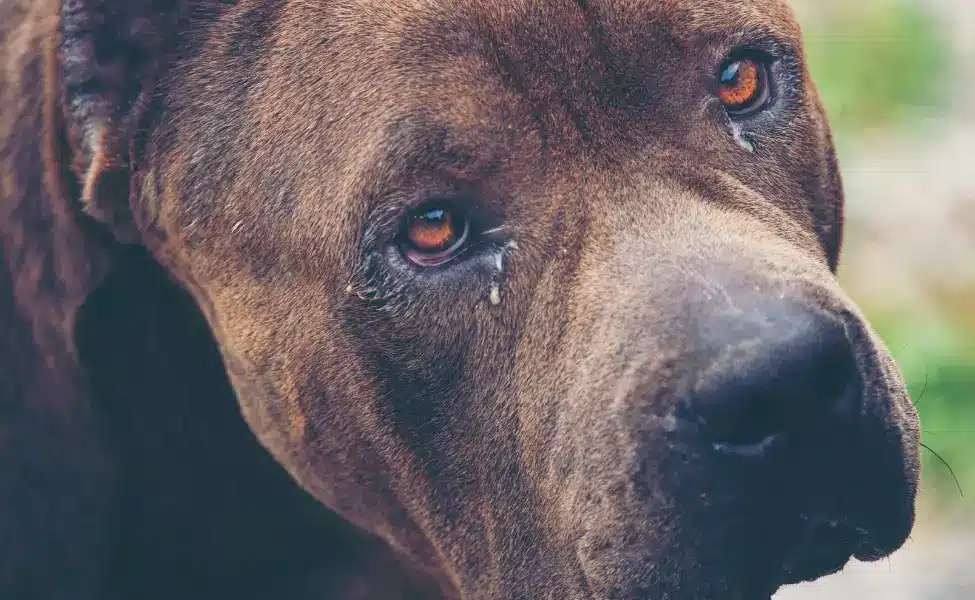
The first 72 hours: make their world small and simple
In the beginning, more space does not always help. A smaller setup often feels safer because it is easier to understand.
Choose one calm area as their base. A quiet corner of the living room or a bedroom often works. Set up a comfortable bed and water there. If you have something that smells like their old life, such as a blanket or toy, place it nearby. If you do not, that is fine. Consistency will do a lot of the heavy lifting.
For the first couple of days, keep life quiet. Limit visitors. Keep introductions slow. Let your dog watch the household before you expect them to join it.
Make the home easier on an older body
A senior dog can lose confidence after one slip. If they slide on tile or hardwood, they may start moving cautiously, which can increase stiffness and worry.
Add runners or mats along the routes your dog actually uses, like bed to water, bed to the door, and bed to where you sit. You do not need to cover every room. Focus on the paths they walk every day.
At night, a couple of small lights in the hallway and near their sleep spot can help a lot. Older dogs who see less clearly can get disoriented in the dark, then wander and work themselves up.
A routine that feels comforting, not strict
Routine is not about control. It is about helping your dog predict what comes next.
Feed at consistent times and keep bowls in the same place. Many seniors do fine with two meals a day, but the best schedule is the one your dog handles comfortably.
Potty breaks matter more than most people expect during the first two weeks. Stress alone can increase accidents, and older dogs may also have weaker muscles. Early on, take them out a little more often than you think they need, then adjust once you learn their pattern.
If accidents happen, respond with calm cleanup and a quicker trip outside next time. No frustration. Your dog is not trying to make a point.
Walks that build confidence
Early walks should be short, quiet, and predictable. Let your dog sniff. Sniffing can calm them and it helps them map the new area.
Some older dogs freeze at the doorway at first. Others make it to the end of the drive and then want to turn back. That is not stubbornness. Go at their pace, then try again later.
Building trust without overwhelming them
People often rush this part because they want the dog to feel loved. Senior dogs usually need love to look like patience.
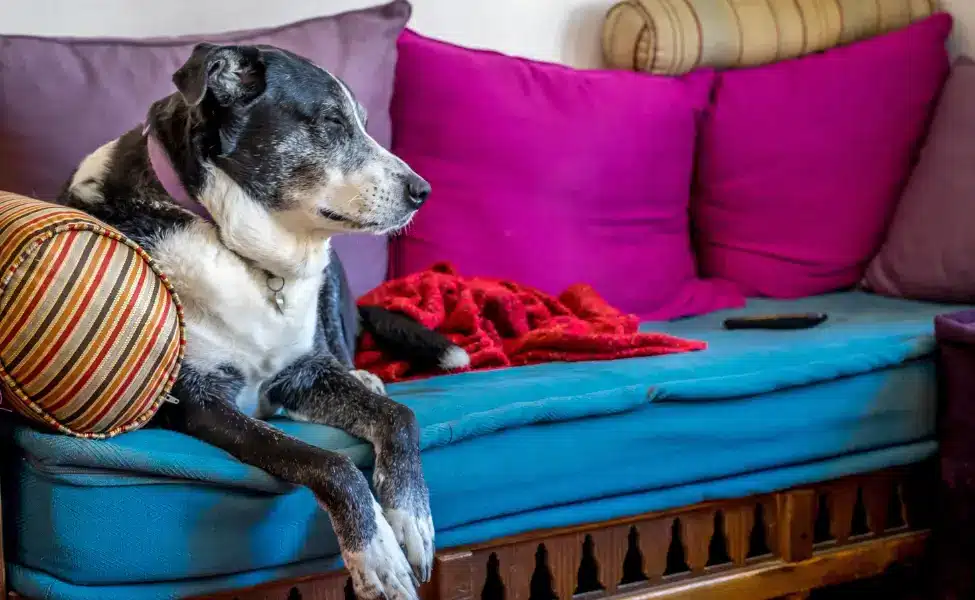
Sit near your dog without always reaching for them. Talk softly. Let them decide when they want closeness. When they lean in, keep it gentle and brief, then give them space again.
Reward calm moments. If your dog lies down on their own, relaxes after a noise, or chooses their bed, praise them quietly and offer a small treat. Over time, your dog learns that calm feels good here.
Hand-feeding can help some dogs bond, but it is not required. If your dog seems hesitant about taking food from your hand, use a bowl and build trust in other ways.
Week one: what you might see, and what it usually means
This is where many owners worry they are “doing it wrong,” when the dog is simply settling.
Your dog may choose one corner and stay there for hours. They may follow you, then step away when you look at them. They may sleep deeply during the day and pace at night. They may seem friendly one day, then distant the next. That back and forth is common.
What helps most is boring consistency. Same feeding spot. Same walk routine. Same calm voice. Same gentle pace.
Safe spaces and crates, when they help
Some dogs love a crate because it feels like a den. Others hate it. Either can be normal.
If you use a crate, treat it like a bedroom, not a punishment. Keep the door open at first. Add soft bedding. Toss treats inside and let your dog choose to step in. Feed meals nearby, then later inside, only if your dog stays relaxed.
If your dog shows panic, such as heavy drooling, frantic pawing, or trying to escape, pause. Use a gated area or a small room instead. The goal is security, not confinement.
Alone time and separation worry
A new home can make alone time harder, especially for older dogs who feel less confident. Start smaller than you think.
Practice stepping into another room for a minute or two, then returning before your dog escalates. Repeat. Slowly build time. This teaches your dog that distance is safe and that you always come back.
When you leave the house, keep departures and arrivals low key. Quiet “see you later” energy often helps more than big goodbyes.
A soothing activity can help, like a lick mat or a snuffle mat, as long as it is easy on older teeth and digestion. If your dog is too anxious to eat while you are gone, that is a sign to slow down and build up in smaller steps.
Health checks and comfort adjustments
An early vet visit is helpful after a move or adoption, especially with senior dogs. It gives you a baseline and helps rule out pain, infections, or other issues that can look like anxiety or confusion.
Keep water accessible. If your home has more than one level, consider an extra bowl so your dog does not have to travel far. Some dogs are more comfortable with slightly raised bowls, but it is not right for every dog. If your dog is deep-chested or has had digestive issues, ask your vet what is safest.
If your dog struggles to get into the car or onto a favorite couch, ramps or pet steps can protect sore joints. Use them where they matter most.
If your dog loves being outside but tires easily, a stroller can be a kind compromise. They still get fresh air and smells without pushing through pain.
Red flags that are worth a prompt vet call
Use your gut. If something feels off, it is better to ask.
- Refusing food for a full day, or refusing water
- Sudden weakness, collapse, or repeated falling
- Heavy panting at rest that does not settle
- Signs of pain such as yelping, shaking, or guarding a body part
- Repeated vomiting or diarrhea
- New confusion that appears quickly, especially with nighttime distress
What progress should look like by the end of the first month
Most senior dogs do not flip a switch. Progress is usually subtle.
They rest more deeply. They recover faster after surprises. They hesitate less before walking into a room. They start seeking you out on their own terms, maybe choosing to nap nearby or leaning against your leg.
If your dog stays highly distressed, stops eating well, or seems to be declining, loop in your vet and consider a qualified behavior professional. That is not failure. That is good care.
You are doing something big for an older dog. Keep showing up with steady, gentle consistency, and your dog will feel it.