
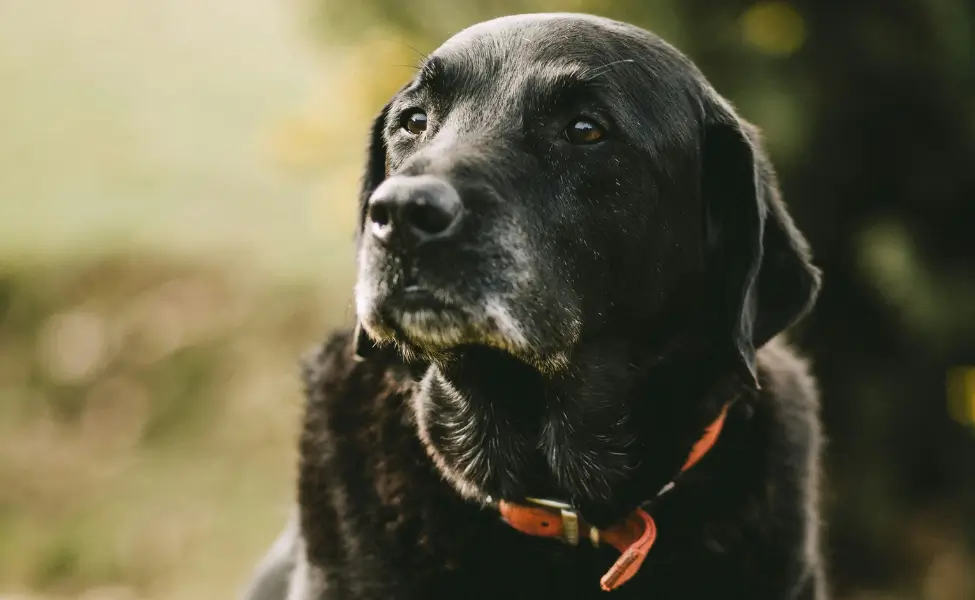
Senior shelter dogs bring a special kind of calm into your life. Most already know basic commands and have fully formed personalities you can see from day one.
These older dogs need regular exercise but nothing extreme. Around 30 to 60 minutes of daily activity, split into shorter sessions, keeps most senior pups content and healthy. Unlike puppies, you know exactly who they are right from the start.
Many people worry that older dogs come with baggage or might be difficult to bond with. In reality, senior dogs often form deeper attachments than younger pets. They seem to recognize when someone gives them a second chance and respond with genuine gratitude.
You won’t deal with destructive puppy energy or constant supervision needs. Most seniors already understand house rules and settle into routines quickly.
Understanding Senior Dogs
One thing that surprises many adopters is that “senior” doesn’t mean the same age for every dog. Smaller breeds like terriers or toy poodles often stay youthful well into their teens, while larger dogs slow down much earlier.
Medium-sized dogs typically reach senior status around 8 to 10 years. Large and giant breeds age faster, becoming seniors as early as 5 to 7 years. A seven-year-old Great Dane is well into its golden years, while a seven-year-old Chihuahua is just approaching middle age.

What Makes Senior Shelter Dogs Different
The Personality You See Is What You Get
When you adopt a senior dog, there’s no guessing about who they’ll become. Their personality is fully developed, and what you observe at the shelter is what you’ll experience at home.
Watch how they interact with you during your visit. Do they lean into your hand when you pet them? Do they walk calmly on a leash or pull excitedly toward every smell? That’s your answer about their temperament.
Seniors typically act relaxed and measured. The wild puppy phase is long behind them. Most senior dogs enjoy gentle walks and comfortable naps. You probably won’t find them chewing furniture or bouncing around the house at three in the morning.
Lower energy suits many households beautifully. Senior dogs don’t demand hours of exercise or endless entertainment, making them ideal for working professionals, retirees, or families wanting a peaceful companion.
Why Shelters Struggle to Place Older Dogs
Roughly 5 to 6 million dogs and cats enter US shelters each year, according to national animal welfare estimates. Older dogs face particularly tough odds. In many shelters, senior dogs are adopted far less often than puppies and younger dogs.
Most people choose puppies. Health concerns and potential veterinary costs worry many potential adopters.
Some hesitate because senior dogs have fewer years ahead, which means facing loss sooner. Unknown backgrounds can make people nervous too.
Shelters assess each dog’s behavior and can share details about personality quirks or special requirements. Many rescues and breed-specific organizations also help place senior dogs, often providing detailed histories and ongoing support after adoption.
House Manners and Training
Most senior shelter dogs already behave well indoors. They understand house rules and respond to basic commands.
You absolutely can teach older dogs new things. One owner taught her 10-year-old rescue to ring a bell when needing outside. Another trained his senior dog to find hidden treats using scent work. Seniors enjoy learning and often respond beautifully to positive reinforcement with treats and praise.
Teaching them fresh skills helps them stay engaged and confident. Destructive habits are typically outgrown, so your belongings stay safer with a senior around.
Choosing and Bringing Home Your Senior Dog
Why Adopting a Senior Makes Sense
Their gentle nature suits families with children or other pets. Seniors bring predictability and composure that younger, more unpredictable dogs simply can’t offer yet.
Many adopters notice something special in how senior dogs express gratitude. They seem to understand they’ve received a second chance. It shows in countless small ways: the way they settle beside you on the couch, how they greet you at the door, or the peaceful presence they add to your home.
Many shelters reduce or eliminate adoption fees to encourage people to choose older dogs.
Assessing Compatibility
Before adopting, consider how a senior dog fits with your household. If you have other pets, ask the shelter about the dog’s history with cats or other dogs. Some seniors thrive in multi-pet homes while others prefer being the only animal.
Watch how the dog interacts with shelter staff and volunteers. A dog that seems shut down might just be stressed, but one showing aggression or extreme fear needs professional evaluation.
Ask about any behavioral red flags. Has the dog shown food guarding, separation anxiety, or difficulty with handling? These issues are manageable but require honesty upfront.
Spend time with the dog before deciding. Take a walk together, sit quietly, and see how the dog responds to you. Trust your instincts about the connection.
The First Days at Home
Your new senior dog needs time to recover from shelter stress.
Shelters can be loud and overwhelming, even for dogs that only stay briefly.
Provide a soft bed, warm blankets, and a quiet corner when bringing your dog home.
Don’t worry if sleeping increases or if the dog seems distant initially.
What to expect in the first 72 hours:
- Extended rest periods
- Reduced food and water intake
- Hesitation with bathroom breaks
- Reserved or quiet behavior
Keep showing where the water bowl sits and offer food regularly. If eating doesn’t happen straight away, stay patient. Some dogs need several days to feel safe enough to relax and eat normally.
Shelters often reference the three-three-three rule: three days to decompress, three weeks to learn your routine, and three months to feel truly at home. This framework helps set realistic expectations.
Many adopters notice the same moment. After a few days, the dog finally sighs, curls up nearby, and falls into a deep, relaxed sleep. It’s often the first time they truly feel safe.
Making Your Home Senior-Friendly
Physical accommodations help older dogs move comfortably. If you have stairs, consider adding ramps or pet steps to prevent joint strain and give dogs independence.
Orthopedic beds with memory foam support aging joints. Place them in quiet areas away from household traffic.
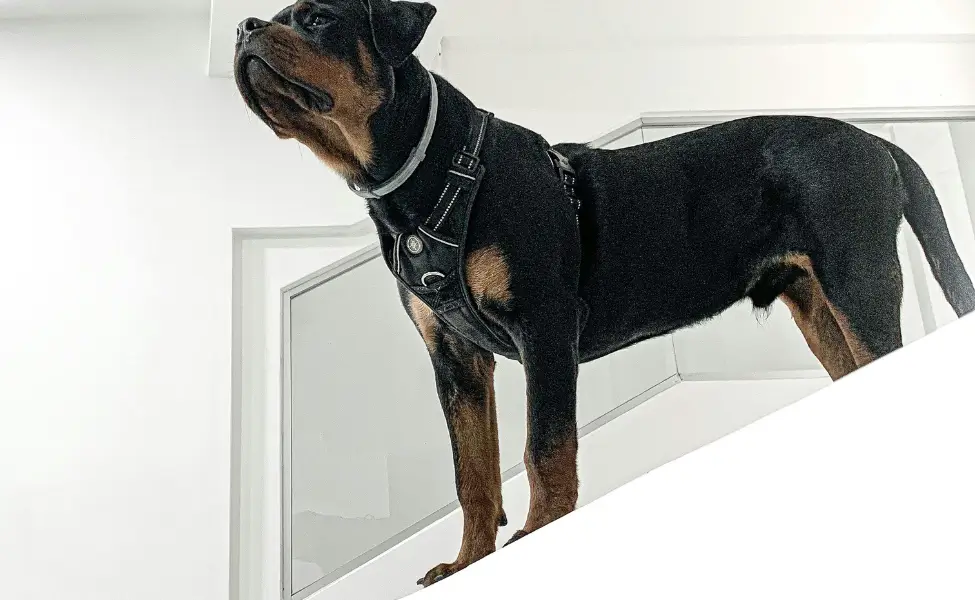
Non-slip rugs or mats on hard floors prevent slipping, which can frighten dogs with mobility issues. Raised food and water bowls reduce neck strain during meals.
Baby gates can limit access to stairs if climbing becomes difficult. Night lights help dogs with failing vision navigate in darkness.
Teaching and Engaging Your Senior
Senior dogs can surprise you with how quickly they learn. Their focus and desire to please often make training smoother than working with puppies.
Start with simple commands and use positive reinforcement. Treats, praise, and gentle affection work wonders. Keep training sessions short at five to 10 minutes since older dogs can tire more quickly.
Training tips for senior dogs:
- Use soft treats that are easy to chew
- Practice in quiet locations with minimal distractions
- Show patience if vision or hearing has declined
- Adjust hand signals for dogs with sensory changes
Your senior dog can learn house rules, leash manners, and even entertaining tricks. They want to connect with you and will work hard to understand what you’re asking.
Keeping Your Senior Dog Healthy
First veterinary visits should happen within days of adoption. A comprehensive senior examination includes blood work, urinalysis, a fecal test, and a physical exam checking all major systems.
Expect to spend $150 to $400 for this initial visit. Some shelters offer free or discounted first checkups through partner veterinary clinics, so ask before booking.
Older dogs commonly face arthritis, vision or hearing loss, underactive thyroid, and heart murmurs. Most of these respond well to medication or minor lifestyle adjustments.
Nutrition for Aging Bodies
Senior dog food should provide specific nutritional support. Look for formulas with higher protein levels to help maintain muscle mass as dogs age.
Joint-supporting ingredients like glucosamine and chondroitin help with mobility. Easily digestible proteins reduce strain on aging digestive systems.
If your dog isn’t very active, lower-calorie options prevent unwanted weight gain. Carrying extra weight puts additional stress on joints and organs.
Feed a diet designed for senior dogs. Their nutritional requirements differ from younger animals, and quality senior formulas genuinely help maintain well-being.
Regular Veterinary Care
Plan for veterinary checkups every six months rather than annually. More frequent monitoring catches problems early when treatment works best.
Monthly arthritis medication varies widely in cost. Traditional anti-inflammatory drugs and supplements might run around $60, while newer injectable treatments can cost $80 to $130 monthly. Your veterinarian can discuss options that balance effectiveness with budget.
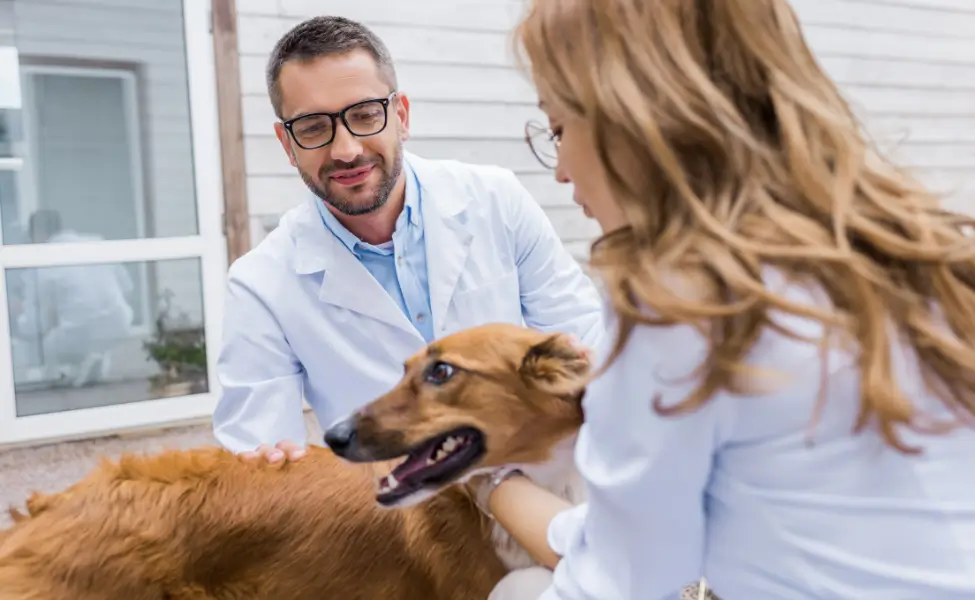
Ask about senior wellness plans that bundle services for savings. Many practices offer these specifically for older pets.
Watch for changes in appetite, bathroom habits, movement, or behavior. These shifts can signal health problems needing attention. Catching issues early usually leads to better outcomes and can reduce costs over time.
Planning for End-of-Life Care
Adopting a senior dog means facing loss sooner than with a puppy. Thinking about end-of-life care before it’s needed helps you make decisions with a clear head.
Discuss quality-of-life markers with your veterinarian. When does discomfort outweigh good days? What signs indicate declining well-being?
Some owners create a list of favorite activities. When a dog can no longer enjoy most items on that list, it might be time for difficult conversations.
Hospice care for pets focuses on comfort rather than aggressive treatment. Your veterinarian can recommend pain management and supportive care that maintains dignity.
The years you share with a senior dog, however brief, provide profound joy. Many adopters say loving a senior dog changes them, teaching lessons about compassion, acceptance, and cherishing each moment.
Pet Insurance Considerations
Pet insurance for senior dogs works differently than coverage for younger animals. Most insurers consider pre-existing conditions excluded from coverage, which means any health issue your dog had before enrollment won’t be covered.
If you adopt a senior dog with a clean bill of health, enrolling immediately protects against future diagnoses. Coverage for new conditions like cancer, diabetes, or sudden injuries can prevent devastating financial decisions.
Premiums for senior dogs cost more than for puppies, typically ranging from $60 to $100 monthly depending on the dog’s age and breed. Some insurers cap coverage at certain ages or require higher deductibles.
Read policies carefully. Some exclude certain breeds or have lifetime limits on payouts. Understanding coverage before needing it prevents unpleasant surprises.
The Reality of Senior Dog Adoption
You won’t experience the decade-plus commitment of a puppy, but the time you do share holds special meaning. Senior dogs seem to know their time is precious and make the most of every day.
The first few weeks require patience as your dog adjusts. Once settled, most seniors fit naturally into your routine. Watch for it: the moment your dog follows you from room to room, not from anxiety, but from quiet companionship. That’s when you know they’re home.
Medical needs increase with age, requiring financial planning and time for appointments. Yet many adopters find senior dog care less intensive than puppy care, which demands constant supervision and training.
If you want a companion whose personality you can know from day one, who brings peace rather than chaos, and who will love you with depth that comes from experience, a senior shelter dog might be exactly what you need.
These dogs wait in shelters not because something is wrong with them, but because people overlook what they have to offer. Giving a senior dog a home means gaining a devoted friend while also saving a life.