
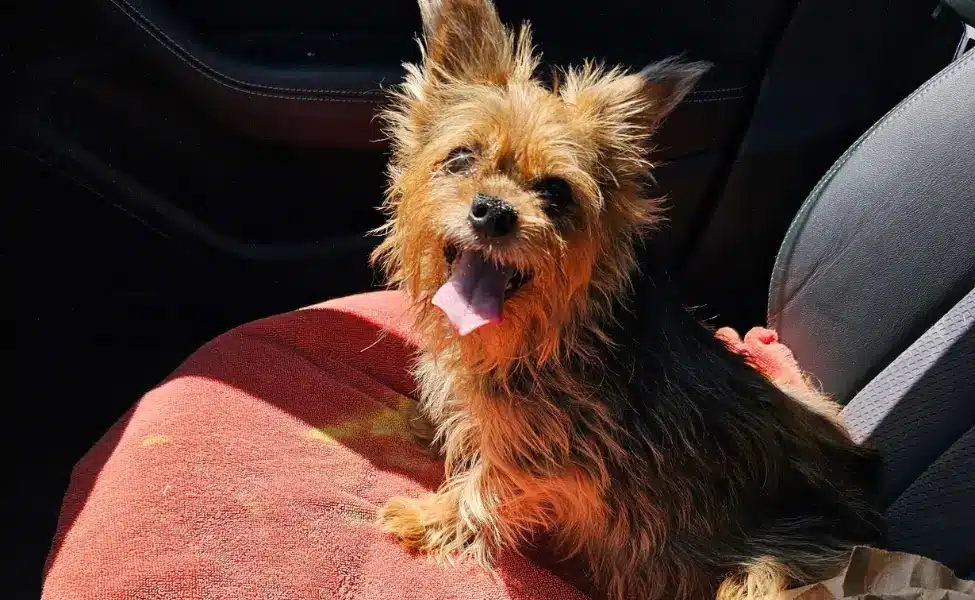
Your dog has been your shadow for years. Then, slowly, you start seeing the little shifts. Standing up takes longer. Stairs get negotiated instead of bounced up. A slick patch of floor suddenly feels like a threat.
Aging often brings stiffness, weaker balance, and sometimes changes in hearing or vision. That does not mean your dog is “done.” It just means your home needs to meet them where they are now.
You do not need a big renovation. A handful of thoughtful adjustments can make daily life calmer, safer, and more comfortable, especially for dogs dealing with sore joints or reduced mobility.
Begin with what your dog is already telling you
Before you buy anything, walk through your home at your dog’s pace and watch closely.
Where do they slow down. Where do they slide. Where do they avoid lying down, or keep shifting as if nothing feels right. Those spots are your starting points, because fixing them usually gives the fastest relief.
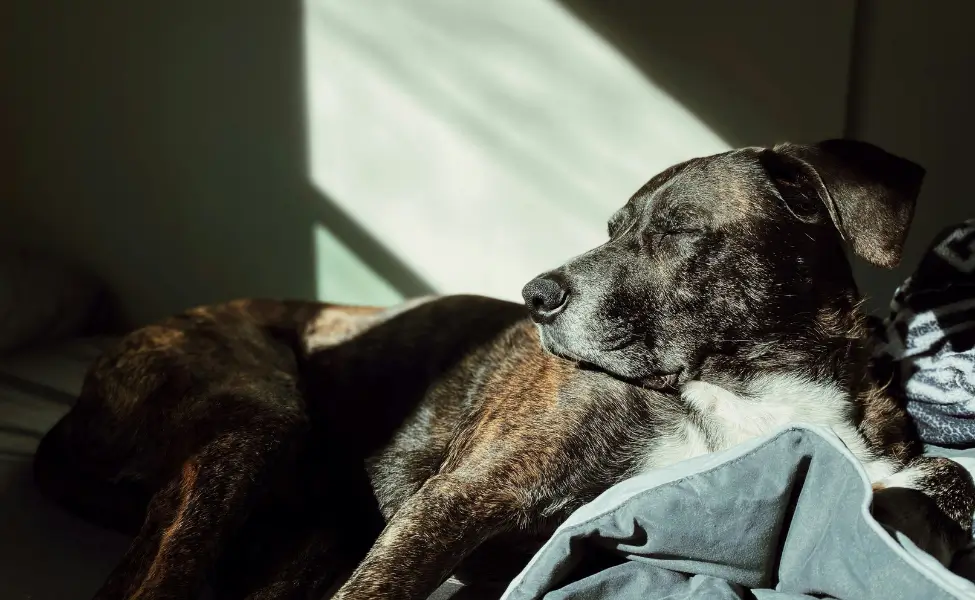
Most homes only need a few “safe routes” your dog can trust. Once those routes feel secure, your dog often moves more freely again.
Make the resting area feel effortless
Senior dogs rest more, so comfort starts with where they sleep.
Pick a spot that is quiet, but not isolating. Many older dogs settle best when they can still hear the household and keep an eye on you, even if they are dozing.
Warmth matters. Drafts matter. Cold floors matter. A supportive bed placed on a blanket can help, and a washable cover makes life easier if accidents are becoming more common.
A well made foam bed can also reduce pressure on sore hips and elbows and help your dog relax into one position instead of constantly readjusting. It is not a cure. It is just comfort, day after day.
Give your dog traction in the places that count
Slipping is painful, but it is also confidence-breaking. Some dogs start moving less simply because they are afraid of falling.
You do not have to cover every floor. Focus on the paths your dog uses the most, like the route to food, water, the door, and the spot where they sleep. A couple of runners or non slip mats can make those trips feel safe again.
It also helps to stay on top of nails. When nails get long, traction gets worse, even on rugs.
Help them get up and down without jumping
Many senior dogs still want the couch or the bed because they want to be close to you. Jumping can become risky, though, especially if arthritis is involved.
Pet steps or a ramp can work well if they feel stable and have a grippy surface. The slope should be gentle, and your dog should never feel rushed to use it. Let them learn it slowly with treats and calm repetition, then leave it in place so it becomes normal.
If your dog does not take to ramps, you can also shift the goal. A thick bed next to the sofa, plus a familiar blanket, often becomes the new favorite spot once your dog realizes it is easy.
Make food and water simpler
When a dog is stiff, bending down can feel like work.
Place bowls where your dog does not have to cross slick flooring to reach them. In a larger home, adding a second water bowl can cut down on unnecessary trips. If your dog seems uncomfortable lowering their head, a raised bowl may help.
If your dog is eating less, do not write it off as “just age.” Pain, nausea, dental issues, and new health problems can all show up as appetite changes. If the shift is noticeable, loop your vet in so you are not guessing.
Keep the day steady and gentle
Older dogs often do best with predictable rhythms. A regular potty schedule. Familiar resting places. Quiet evenings.
If you notice mental changes, like restlessness at night, getting “stuck” in odd places, or a new anxious edge, mention it at your next vet visit. Some dogs develop cognitive changes as they age, and early support can make home life easier.
You can still offer mental stimulation, just in a softer way. A simple puzzle feeder, a snuffle mat, or a slow “find it” game with kibble can keep your dog engaged without turning the day into a workout.

Movement helps too. Short, comfortable walks often do more good than long outings. For dogs who enjoy water and can do it safely, controlled swimming or hydrotherapy is widely used as a low impact way to keep joints moving. It is not the right fit for every dog, but it can be a bright spot when it is.
Use vet visits to stay ahead of problems
As dogs age, small issues can snowball faster. Regular checkups help you catch changes early and adjust care before your dog is truly struggling.
Many vets recommend senior dogs be seen at least twice a year, sometimes more if there are ongoing conditions. Those visits often include a careful look at weight, mobility, teeth, and comfort.
Routine screening may include bloodwork, and a urine test is often used alongside it when checking kidney health. The goal is simple: notice change early, while you still have choices.
Bring a short list of what you have seen at home. Appetite changes, new accidents, confusion, stiffness, or new lumps are all worth mentioning.
The goal is a softer daily life
You do not need to do everything at once. Start with traction and the resting area. Those two changes alone often make a noticeable difference.
From there, you can adjust access to favorite spots and make food and water easier. Over time, your home starts feeling like it is supporting your dog instead of challenging them, and that is what comfort looks like in the senior years.