
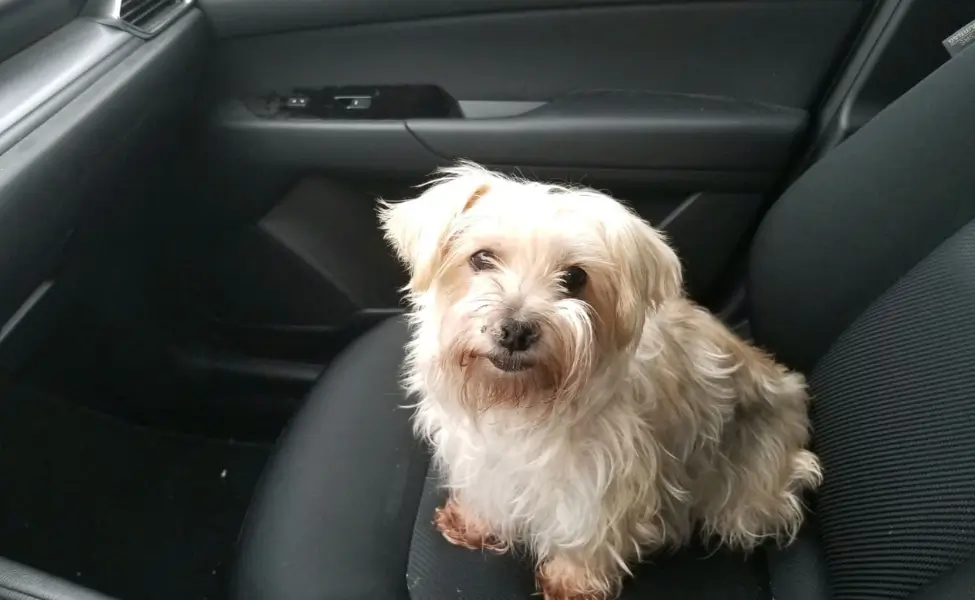
As your dog gets older, their daily needs start to change. You might notice slower mornings, shorter walks, or longer naps. Joints stiffen, digestion gets more sensitive, and energy levels drop.
Small adjustments matter more than grand gestures.
Adding a few non-slip rugs, switching to shorter walks throughout the day, and sticking to a consistent schedule can transform how your senior dog feels every day.
This guide walks through the practical changes that help aging dogs stay comfortable and content. You’ll learn how to adjust meals, create safe spaces, recognize when something’s off, and make their routine work with their changing body.
When Does a Dog Become a Senior?
The answer depends on size. Large breeds like Great Danes age faster and hit senior status around five to seven years old. Medium dogs transition around seven to nine years, while small breeds often don’t qualify as seniors until they’re 10 to 12.
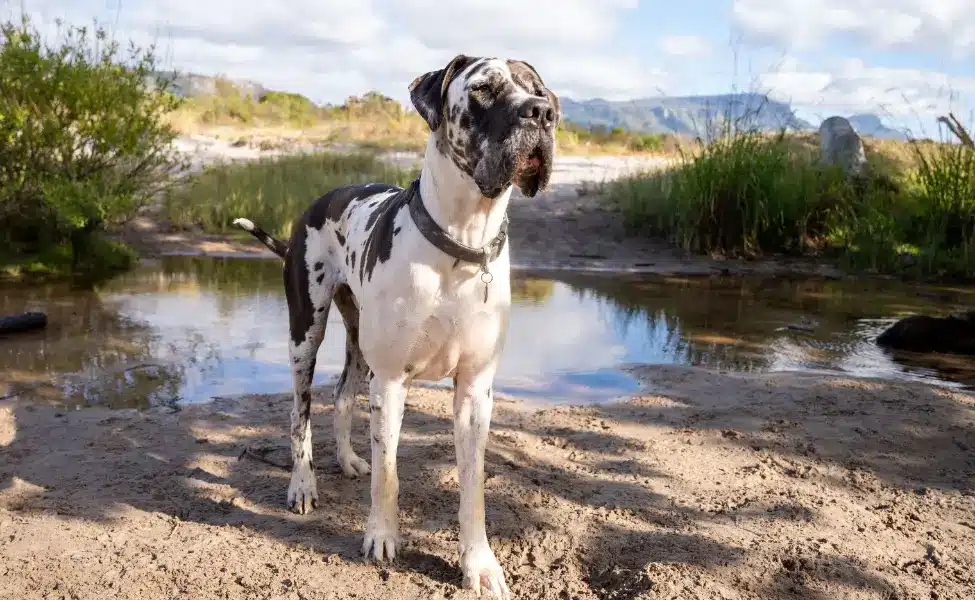
Your dog’s individual health matters more than age on paper. Some 10 year olds still act like puppies. Others slow down earlier. Watch for signs like stiffness after rest, hesitation on stairs, or less interest in long walks.
Feeding Your Senior Dog
Your senior dog does best when they eat at the same times each day. Consistent meal times help with digestion and prevent upset stomachs.
Feed two to four smaller meals instead of one large one. Measure portions based on your dog’s current weight and activity level, not what they ate when they were younger. Less movement means fewer calories needed, and extra weight puts serious stress on aging joints.
Pick a senior formula with real meat as the first ingredient, omega 3s for brain and joint health, and easily digestible proteins.
Fresh water should be available in every room where your dog spends time. A pet water fountain might encourage drinking if they’re not getting enough.
Exercise for Senior Dogs: Gentle Movement and Mobility
Senior dogs need 30 to 60 minutes of exercise daily, but the approach changes. Instead of one long walk, aim for two or three shorter sessions of 10 to 20 minutes each. Let your dog set the pace and stop if they sit down mid walk or hesitate to continue.
Swimming offers excellent low impact activity for dogs with sore joints. The water supports their weight and takes pressure off hips and knees. Some dogs who avoid walks will still happily swim.
Watch for signs your dog’s tired. Sitting down during a walk, excessive panting, or slowing to a crawl all mean it’s time to head home. Gentle stretching helps too. Use treats to encourage your dog to reach or slowly climb a few stairs to keep muscles from stiffening.
Creating Comfort and Safety at Home
Senior dogs sleep more, so quality bedding becomes essential. An orthopedic bed with memory foam cushions sore joints and reduces pressure points. Place beds in quiet spots away from household traffic.
Non-slip rugs on slippery floors prevent falls. Older dogs can lose traction in their paws, making tile and hardwood treacherous. Put mats near food bowls, doorways, and favorite resting spots.
Ramps or steps help your dog reach furniture or get into the car without jumping. Raised feeders reduce neck strain, especially for arthritic dogs. Keep everything your dog needs on one floor if possible to avoid stairs.
Clear walkways of clutter. Vision often declines with age, and slower reflexes make it harder to navigate around obstacles. Open paths give your senior dog confidence to move around the house.
Mental Stimulation and Emotional Enrichment
Canine cognitive dysfunction affects 14 to 35 percent of dogs over eight years old, with rates climbing to 68 percent by age 15 or 16. Keeping your dog’s mind active can slow this decline.
Puzzle toys that hide treats or simple games like “find the toy” engage their brain without physical strain. Even a quick five minute training session with familiar commands provides mental exercise.
Swap out toys every few days to keep things interesting. Teach one new trick per month, taking it slowly. Walk different routes so they encounter new scents. Hand feeding meals creates bonding time and gentle mental engagement.
Your presence matters. Spend quiet time together, petting or talking to your dog. Senior dogs thrive on structure and feel safer when they know what’s coming next.
Managing Hygiene and Health
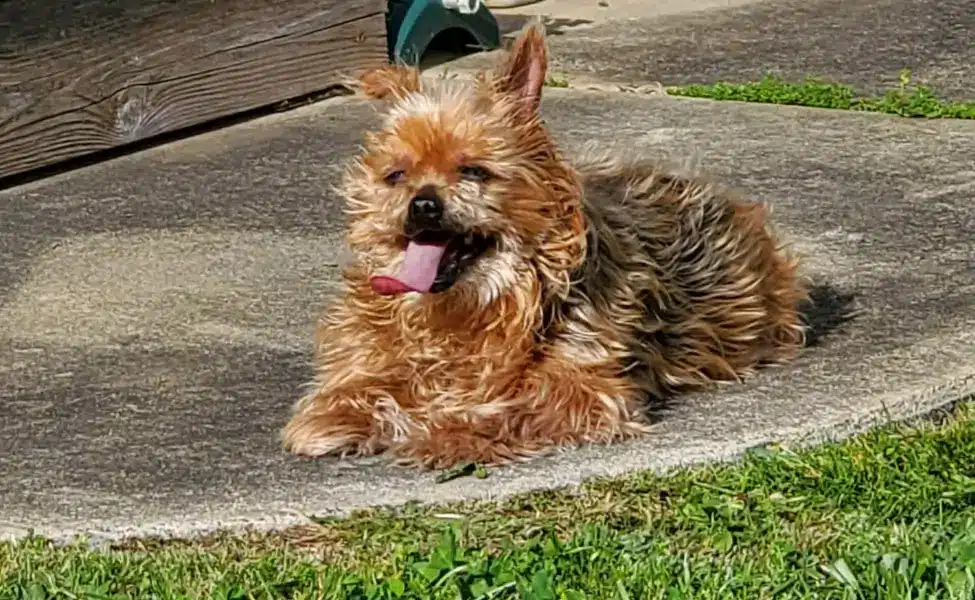
Over 20 percent of older dogs develop bladder control issues. Take your dog outside more often, especially first thing in the morning and right before bed. Dog diapers or belly bands protect floors and furniture while giving your senior dignity.
Wash your dog’s back end daily with warm water and pet safe wipes to prevent irritation. Check and change diapers every three to four hours. Use waterproof bed covers or washable blankets. Clean accidents quickly with enzyme cleaners to eliminate odors completely.
Senior dogs need more grooming attention. Trim nails regularly since less walking means they don’t wear down naturally. Brush their coat several times a week to catch mats before they form and check skin for lumps or irritation.
Dental care becomes critical. Regular brushing helps, but many senior dogs eventually need professional dental care. Bad breath, bleeding gums, or trouble eating signal it’s time for a vet visit.
Seasonal Adjustments
Temperature extremes hit aging dogs harder. In summer, walk early morning or late evening when pavement won’t burn paws. Keep walks short on hot days and always bring water. In winter, use a coat or sweater for dogs with thin fur or low body fat. Limit outdoor time when it’s freezing.
Senior joints stiffen in cold weather. You might notice more limping or reluctance to move on chilly mornings. A warm bed away from drafts helps, as does gentle movement to keep muscles loose.
Routine Health Monitoring and Vet Visits
Senior dogs need vet checkups every six months instead of annually. These visits catch problems like arthritis, diabetes, or kidney disease before they become serious.
Between appointments, check your dog weekly. Feel for new lumps, look at teeth and gums, and watch how they move. Keep a simple log of anything unusual.
Track weight changes, shifts in water intake, limping or stiffness, bad breath, and changes in appetite or bathroom habits. Blood tests and urine checks let your vet spot issues you might miss.
You know your dog best, so note anything that feels different. Older dogs hide pain well, but subtle changes in behavior often signal something’s wrong. Vaccines stay important since aging immune systems fight off illness less effectively.
When to Contact Your Vet
Some changes need immediate attention. Sudden limping, refusing to eat for more than a day, vomiting or diarrhea lasting over 24 hours, difficulty breathing, collapse or loss of balance, and drastic behavior changes all warrant a call.
Other issues can wait for your next scheduled visit but shouldn’t be ignored. Gradual weight loss, increased thirst, changes in bathroom habits, new lumps, and persistent coughing all deserve discussion with your vet.
Their Golden Years
They’re still the same dog who has been by your side through moves, job changes, and life’s ups and downs. Your senior just needs a gentler approach now. These small acts of care make their golden years truly golden.