
If you are reading this, you probably already sense what is coming.
Life with a senior dog changes in quiet ways.
Walks get shorter.
Nails click more slowly across the floor.
You start listening to their breathing without meaning to. And at some point, you realize you are not just caring for an older dog. You are also trying to face an ending you would do anything to avoid.
Preparing will not remove the pain. What it can do is reduce panic, help you make calmer choices, and protect your dog’s comfort when they need you most.
I’ll explain what to watch for, how to plan ahead, what euthanasia often looks like, and how to support yourself and your family afterward.
When “Aging” Starts to Look Like “Struggling”
Older dogs have off days. That is normal. What matters is the pattern.
A common turning point is when your dog cannot settle into comfort. They may shift positions every few minutes, pace at night, or keep getting up and lying down as if nothing feels right.
Some dogs stop coming to the room where the family is, not because they are upset with you, but because movement takes too much effort. Others do the opposite and follow you everywhere, as if they are asking you to stay close.
Appetite and hydration changes also matter. One skipped meal may not mean much. But when a dog who used to show interest in food stops trying, or they cannot keep food down, that is a different situation. Accidents in the house can appear too.
Owners often blame themselves for this. In reality, weakness, pain, or confusion are usually the reason.
Mobility is another major clue. You may see hesitation before stairs, trembling legs after a short walk, or that moment when your dog tries to stand and cannot quite get their back end under them. Sometimes the most telling sign is their face. You know your dog’s normal expression. When it changes, pay attention.
One situation is urgent. If your dog seems to struggle to breathe, call your vet right away. Breathing distress is not something to monitor at home.
Signs that should not wait include rapid breathing at rest that does not settle, open mouth breathing when your dog is not hot or excited, and obvious effort with each breath.
A Simple Way to See What Is Really Happening
When you love your dog, you can swing between hope and dread in the same day. Tracking helps you stay grounded.
Keep it simple. Once a day, write down three quick notes: appetite, mobility, and mood. Then add one sentence about what stood out. A log might look like this:
Monday: Ate half dinner. Needed help standing after naps. Still wanted to sit in the yard.
Tuesday: Refused breakfast and most of dinner. Slipped twice in the hallway. Restless from midnight to 3 a m.
Wednesday: Ate small amounts when food was warmed. Could not settle for more than ten minutes. Seemed anxious when left alone.
You are not trying to build a spreadsheet. You are trying to notice direction. Many owners use a plain question as a guide: over the past week, are there more good days than bad? If the hard days are starting to outnumber the good, or the good moments are shrinking, it is time for a serious quality of life conversation.
Comfort Care at Home That Can Actually Help
You do not need to turn your home into a clinic. Small changes can make your dog’s day easier fast.
Start with footing. Slipping hurts and it scares older dogs. Put down runners or mats in the places your dog walks most, especially between the bed and the water bowl. If your dog is struggling to get comfortable, a supportive bed can help, but placement matters too. Many senior dogs relax more when they can see you without being in the middle of noise and foot traffic.
Make food and water easier. Some dogs eat better when the food is warmed slightly so it smells stronger. Some do better with a raised bowl if bending hurts. If your dog is drinking less, do not assume stubbornness. Nausea, pain, dental problems, and general weakness can all reduce thirst.
If your dog has trouble standing, a folded towel under the belly can help you support them on short trips outside. Keep those trips shorter and more frequent. If accidents are happening, you can use pee pads without shame. Your dog is not being “bad.” Their body is changing.
The biggest mistake owners make is trying to tough it out when symptoms are clearly uncontrolled. If your dog seems nauseated, refuses food for a day, pants from pain, cries when moved, or looks constantly unsettled, call your vet. There are medications for pain, nausea, anxiety, and inflammation that can change the entire feel of the last days.
You can also ask about hospice or palliative care. In simple terms, it is support focused on comfort. It may include a clear medication plan, guidance on mobility and appetite, and help deciding when it is time.
Talking With Your Vet Before It Becomes an Emergency
The best time to talk about euthanasia is before you need it today.
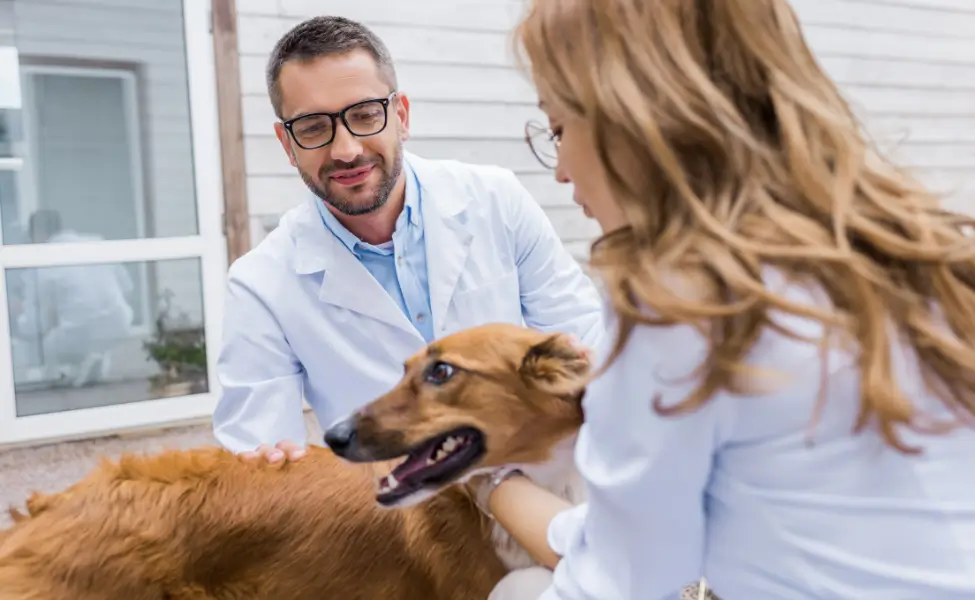
Most owners do not regret asking early. They regret waiting until a crisis forces a rushed decision. A calm appointment gives you space to ask questions and to hear answers when you are not in survival mode.
You can start with two direct questions that often bring clarity.
What changes would make you tell me to call the same day?
If this were your dog, what would you watch for in the next week?
You are not asking your vet to choose for you. You are asking them to help you understand what is likely, what can be eased, and what signs mean comfort is no longer achievable.
It also helps to plan the practical side. If you think you may want an at home appointment, ask early what is available. Some areas have strong in home support. Others have limited options. Timing matters.
Choosing a Setting: In Clinic or At Home
Both settings can be gentle. The right choice is the one that reduces fear and strain for your dog and feels manageable for you.
At home often works well for dogs who panic in the car or at the clinic, or dogs whose mobility makes travel painful. It can also give you privacy and a quieter goodbye.
In clinic euthanasia can be the kinder option if your dog is unstable, in serious distress, or needs urgent help. It can also be the right fit if home feels too chaotic or if you want immediate access to staff and equipment.
No option is more loving than the other. The loving part is choosing the path that protects your dog’s comfort.
What Euthanasia Often Looks Like, Without the Scary Version
Many owners fear euthanasia because they picture pain.
When it is performed properly, the goal is comfort and a rapid loss of awareness.
In many cases, there is a two step approach. First, your dog receives a sedative or tranquilizer to help them relax and become very sleepy.
Once they are deeply relaxed or asleep, the vet administers the euthanasia medication. Your dog loses consciousness, and then, usually within minutes, the heart and lungs stop.
Timing can vary depending on your dog’s condition and how the medications are given. If something feels slower than you expected, it does not mean your dog is suffering. Your vet is monitoring the process.
There are also a few things that can surprise people if nobody mentions them ahead of time. You might see a deep breath or a small twitch. The eyes may stay open. There may be a release of urine or stool. These are involuntary reflexes. They do not mean your dog is aware.
Most vets will confirm that your dog has passed by listening for the absence of heartbeat and breathing. Many will also give you time, without rushing you, before aftercare is handled.

Planning Aftercare Without Adding More Stress
Making choices ahead of time is not morbid. It is protective.
Cremation commonly comes in two forms. Private cremation means your dog is cremated individually and the ashes are returned to you. Communal cremation means pets are cremated together and ashes are not returned.
If you are considering burial, know that rules vary widely by city and county, even within the same state. If it matters to you, check local requirements in advance rather than trying to figure it out while you are grieving.
Some families want a small ritual. Others do not. Some people keep the collar in a box. Others cannot look at it for months. There is no correct way to handle these first decisions.
Grief After Loss: What You Feel Is Normal
Grief after pet loss can be intense. For many people, it lands as heavily as any close family loss. That does not mean you are overreacting. It means the relationship mattered.
You might feel sadness, anger, relief, guilt, numbness, or all of it at once. Guilt is especially common. Guilt about timing. Guilt about money. Guilt about not catching something earlier. Guilt about feeling relieved that suffering is over. None of those feelings make you a bad owner. They make you human.
The first week can feel strangely quiet. You may catch yourself listening for paws on the floor. You may still measure time by medication schedules that no longer exist. Some people leave bowls and beds in place for a while. Others need to move them immediately. Do what helps you breathe.
Support matters too. Talk to people who will not minimize your grief. A pet loss support group can be a relief because you do not have to explain why this hurts. Counseling can also help, especially if grief is disrupting sleep, work, or daily functioning for weeks on end.
Supporting Kids and Other Pets
Kids often grieve in bursts. They may seem fine and then suddenly fall apart, or ask the same question again and again. Simple, honest language is usually kinder than vague phrases.
You can explain that the body stopped working and your dog died, and that it is okay to feel sad and to talk about it.
Other pets may change too. Some become clingy. Some eat less. Some pace or seem unsettled. Keep routines steady, offer gentle attention, and watch appetite. If a surviving pet stops eating, seems depressed for more than a few days, or shows any physical symptoms, involve your vet. Grief can overlap with medical issues.
Carrying Your Dog Forward
You are not replacing your dog. You are learning to live with the space they leave behind.
Over time, the sharpest edges soften. The love stays.
And the memories begin to feel less like a wound and more like proof that you gave your dog a life worth missing.