
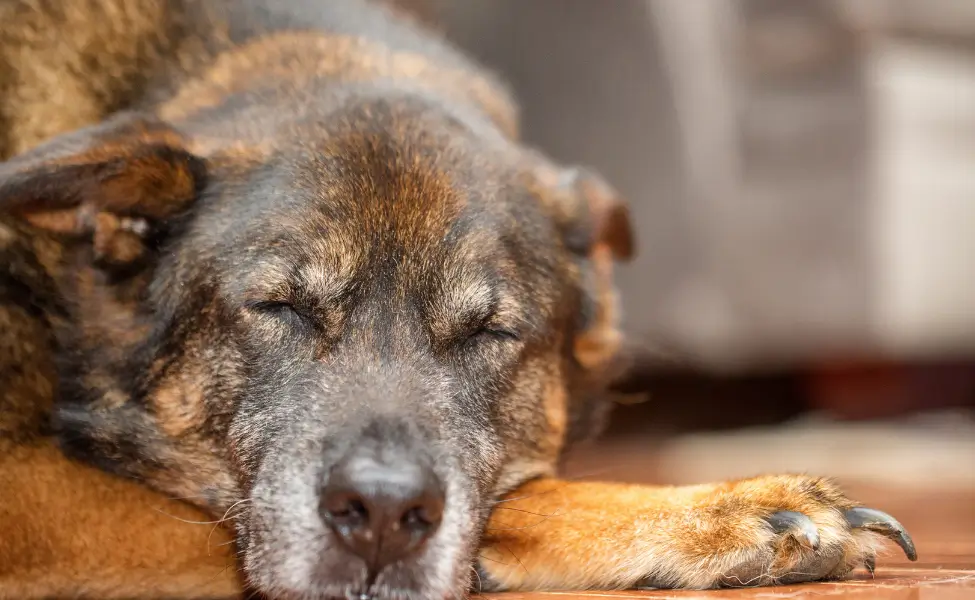
If your older dog seems to spend more time curled up in their favorite spot than they used to, you’re not imagining it. This change is one of the most common signs of aging in dogs.
Senior dogs typically sleep between 14 and 20 hours each day, which is perfectly normal as they age. Just like older people need more rest, your dog’s body requires extra sleep as the years pass.
The amount of sleep your dog needs depends on their breed, size, and overall health. Larger breeds tend to become seniors earlier than smaller dogs.
A Great Dane might start needing extra sleep around age 5 or 6. A Chihuahua or Yorkshire Terrier might not show these changes until age 10 or later.
While increased sleep is usually a natural part of aging, sometimes it signals a health concern. Knowing what’s normal for your specific dog and spotting warning signs helps you decide when to call your veterinarian.
Why Do Older Dogs Sleep So Much?
Senior dogs naturally need more rest as their bodies age and their energy drops. Understanding normal sleep patterns helps you recognize when something might be wrong.
Normal Senior Dog Sleep Patterns
Your senior dog typically needs 14 to 20 hours of sleep each day. This dramatic increase from their adult years is completely expected and healthy.
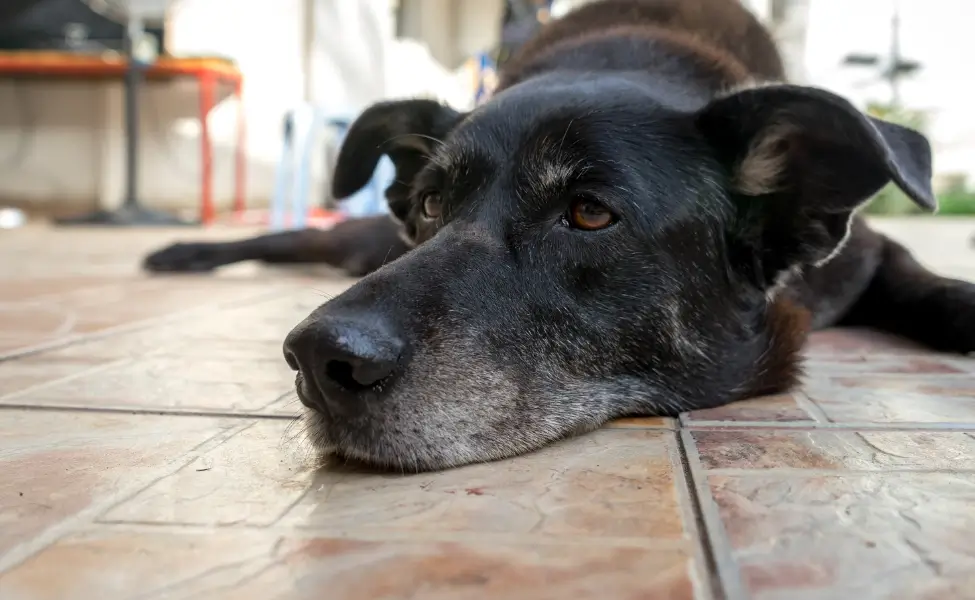
Dogs become seniors at different ages based on their size. Small breeds like Chihuahuas and Maltese reach senior status around 10 to 12 years old. Medium breeds such as Beagles and Cocker Spaniels become seniors at 8 to 9 years. Large and giant breeds like Great Danes, Labrador Retrievers, and Irish Wolfhounds hit senior status much earlier, around 6 to 7 years old.
As your dog gets older, you’ll notice their energy naturally decrease. Your once-active companion who loved long walks may now tire more easily and need frequent rest breaks. They might sleep through dinner time or nap for hours after a short outing.
Most veterinarians report that 16 to 18 hours daily is typical for senior dogs. Some older dogs sleep up to 20 hours, especially if they still wake up alert and show interest in food and activities. What matters most is watching for sudden changes in their sleeping habits rather than comparing to averages.
Track your dog’s sleep for a week to establish their baseline. Note when they sleep, how long, and where they prefer to rest. Having that record really helps when you talk things through with your vet or need to identify meaningful changes versus normal day-to-day variations.
Major Causes of Increased Sleep in Older Dogs
Your older dog sleeps more because their body works harder to do basic daily tasks. Simple activities that were once easy now tire them out faster, requiring more recovery time through sleep.
Sometimes extra sleep has a simple explanation, but other times it can point to an underlying issue. If your dog has arthritis or another painful condition, you might notice they choose sleep over activity. When moving hurts, resting feels better than staying active. A dog with painful hips might choose a long nap over a walk around the block.
Many owners see similar patterns when their dogs develop other health conditions:
- Arthritis and joint pain that makes movement uncomfortable and exhausting
- Heart disease that reduces energy and stamina significantly
- Kidney disease that affects overall body function and causes fatigue
- Hypothyroidism that slows metabolism and increases lethargy
- Canine cognitive dysfunction similar to dementia in humans
- Hearing loss where everyday sounds no longer wake them, so they sleep longer stretches
Medications prescribed for senior dogs can also increase drowsiness. Pain relievers, anti-anxiety medications, and treatments for chronic conditions often list increased sleep as a side effect. If you suspect medications are affecting your dog’s rest patterns, discuss alternatives with your veterinarian.
Differences by Dog Breeds
Large and giant dog breeds typically sleep more hours than small breeds. Some bigger dogs can sleep up to 18 hours daily, even during middle age.
The shape of your dog’s head and muzzle may influence their sleep patterns. Breeds with similar facial structures, particularly brachycephalic breeds like Bulldogs and Pugs, often share similar sleeping habits due to breathing characteristics that affect rest quality.
Working breeds have different sleep patterns than other dogs. Breeds originally developed as watch dogs, guard dogs, or herding dogs tend to have lighter, less intense sleep. Border Collies, German Shepherds, and Australian Cattle Dogs were bred to stay alert and respond quickly to their surroundings, which affects how deeply they rest even in old age.
Your individual dog’s breed background matters when determining what’s normal for their sleep needs. A retired working breed may still sleep less than a companion breed of the same age and size. These instincts run deep and persist throughout a dog’s lifetime.
When Excessive Sleep Signals a Problem
While senior dogs naturally sleep most of the day, certain changes in sleep patterns point to medical issues needing attention. Recognizing warning signs helps you keep your aging companion comfortable.
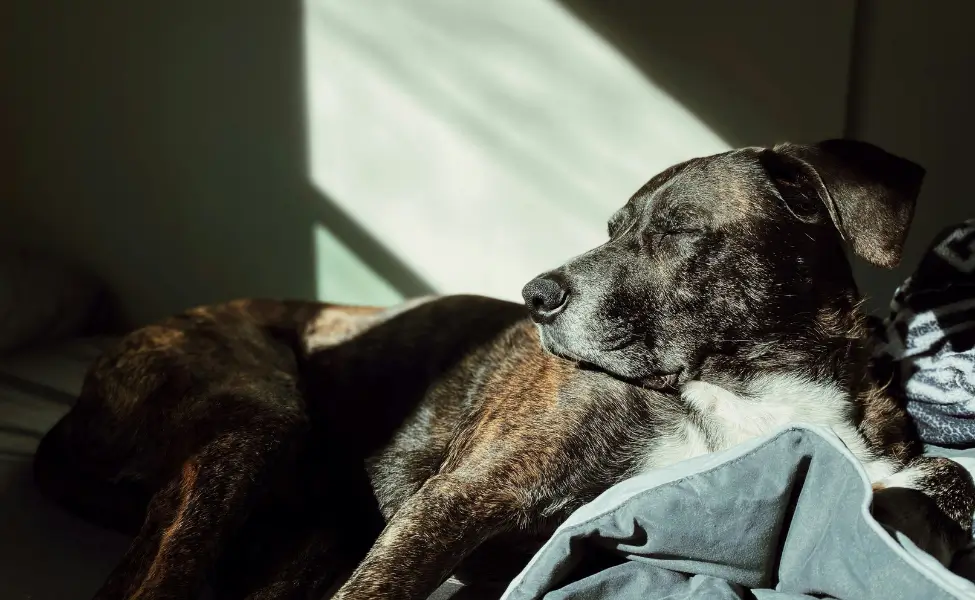
Warning Signs That Warrant a Vet Check
You might notice specific changes that go beyond normal aging. If your dog suddenly increases their sleep time beyond their usual pattern and seems difficult to wake, this needs evaluation.
Pay attention to these red flags:
- Lethargy when awake such as your dog showing no interest in their favorite toy or ignoring the treat jar
- Loss of appetite where they refuse food for more than one meal or eat much less than usual
- Difficulty standing or walking like struggling to rise after resting or wobbling when moving
- Behavioral changes including confusion about familiar rooms, disorientation in your yard, or unusual aggression toward family members
- Excessive daytime napping combined with restlessness, pacing, or whining at night
If your dog’s sleeping behavior changes for more than two or three days along with other symptoms, schedule a veterinary appointment. A dog that used to greet you at the door but now sleeps through your arrival probably has something going on that needs attention.
The difference between normal and concerning is sudden change. A dog gradually sleeping 30 minutes more each day over several months differs from a dog who suddenly sleeps 6 extra hours daily. Rapid changes always warrant investigation.
Common Health Conditions Affecting Senior Dog Sleep
Several medical problems cause older dogs to sleep more than normal. Arthritis and joint pain make movement uncomfortable, so dogs rest more frequently throughout the day.
You might notice pain-related symptoms like:
- Limping or favoring certain legs, especially after waking
- Reluctance to climb stairs, jump onto furniture, or get into cars
- Whimpering or crying out when moving or being touched
- Stiffness after lying down, particularly noticeable in the morning
Hypothyroidism slows metabolism and causes excessive tiredness. When the thyroid gland underproduces hormones, dogs tend to sleep more, act sluggish when awake, and become prone to obesity. Blood tests can diagnose this condition, and daily medication manages it effectively.
Diabetes leads to fatigue and increased sleep needs as the body struggles to regulate blood sugar. Dogs with diabetes show excessive thirst, frequent urination, and weight loss alongside their lethargy.
Heart disease reduces energy levels dramatically and makes physical activity exhausting. Dogs with heart conditions may cough, have difficulty breathing, and tire quickly from minimal exertion.
If your vet recommends tests, the first round often includes blood work and urine analysis, which typically costs $200 to $400. Ongoing treatment varies depending on the diagnosis.
Arthritis pain management medications range from $30 to $100 monthly, while hypothyroidism medication costs approximately $20 to $40 monthly. Regular senior wellness exams every six months run $75 to $150 each.
Canine Cognitive Dysfunction and Sleep Disorders
Canine cognitive dysfunction works like dementia in humans and disrupts normal sleep-wake cycles. Many owners notice their dogs sleep more during the day but become restless at night.
Your dog might show these cognitive signs:
- Getting lost in familiar places like wandering into wrong rooms or standing confused in corners
- Staring at walls or into space for extended periods
- Forgetting familiar people, pets, or routines they’ve known for years
- Having accidents indoors despite being house-trained their entire life
- Pacing, wandering, or vocalizing at night in a pattern called “sundowning”
Sleep disturbances become common with cognitive decline. Your dog may have trouble settling down at bedtime or wake frequently during the night. They might seem confused about when to sleep and when to stay awake, napping all day and then pacing all night.
Creating a consistent bedtime routine helps manage these symptoms and promotes better rest quality. Use the same sequence of activities each evening: final bathroom break, quiet time together, settling into bed. Predictability comforts confused minds.
Medications like selegiline can help slow cognitive decline. Supplements containing omega-3 fatty acids, antioxidants, and medium-chain triglycerides may support brain function. Your veterinarian can recommend specific products and doses appropriate for your dog.
Improving Sleep Quality for Older Dogs
An orthopedic dog bed significantly helps with aging joints and arthritis pain. Memory foam or supportive materials cushion pressure points, allowing your dog to relax more comfortably. Choose a bed with a low entry point so your dog doesn’t struggle climbing in and out.
Set up a quiet sleeping spot away from household noise and traffic. Older dogs often have trouble regulating their body temperature, so keep the area comfortable. Provide blankets they can burrow into when cold or push aside when warm. In winter, a heated pet mat offers soothing warmth. In summer, ensure good air circulation and access to cool flooring.
If your dog has vision issues, a nightlight helps reduce confusion during nighttime bathroom trips. Place lights along the path between their bed and the door to prevent accidents and reduce anxiety.
Establishing Helpful Routines
Stick to a regular schedule for your dog. Consistency reduces anxiety and helps regulate their internal clock:
- Feeding times at the same hours each day, typically morning and evening
- Bathroom breaks right before bed and first thing in the morning, with additional breaks every 4 to 6 hours
- Light exercise through gentle walks that match what your dog can handle, avoiding fatigue
- Bedtime routine using calming activities like gentle brushing or quiet together time
Give your dog a balanced diet tailored to their specific needs as they age. Senior dog food formulated for lower activity levels helps prevent obesity, which worsens joint pain and makes sleep uncomfortable. Look for foods with joint-supporting ingredients like glucosamine and omega-3 fatty acids.
During waking hours, gentle mental stimulation helps tire your dog appropriately without physical strain. Puzzle feeders make meals more engaging. Snuffle mats encourage natural foraging behaviors. Simple training sessions reviewing basic commands keep their mind active.
Exercise Recommendations for Senior Dogs
Senior dogs still need regular exercise, but the intensity and duration should match their abilities. Aim for two or three short walks daily, each lasting 10 to 20 minutes, rather than one long walk. Watch your dog for signs of fatigue like excessive panting, lagging behind, or lying down mid-walk.
Swimming provides excellent low-impact exercise for dogs with arthritis. The water supports their weight and allows movement without stressing joints. Many areas have dog pools or hydrotherapy facilities specifically for senior pets.
Avoid exercising your senior dog during extreme temperatures. Hot pavement burns sensitive paws and overheats dogs quickly. Cold weather stiffens arthritic joints and makes movement painful.
When to Have Quality of Life Discussions
As your dog ages, maintaining open conversations with your veterinarian about quality of life becomes essential.
Ask yourself these questions regularly:
- Does my dog still enjoy their favorite activities, even modified versions?
- Are they eating and drinking normally?
- Can they stand, walk, and use the bathroom without excessive difficulty?
- Do they have more good days than bad days?
- Is their pain manageable with current treatments?
Create a list of activities your dog loves. When they can no longer participate in most items on that list despite medical intervention, it may be time to discuss end-of-life care with your veterinarian. Hospice care for pets focuses on comfort and dignity rather than aggressive treatment.
Many veterinarians offer quality of life assessments using scoring systems that evaluate pain, hunger, hydration, hygiene, happiness, mobility, and more good days than bad. These objective measurements help you make informed decisions during difficult times.
Supporting Your Senior Dog
Your older dog’s increased sleep is usually normal aging, not laziness or giving up. Their body genuinely needs this extra rest to maintain health and comfort.
Monitor changes rather than absolute numbers. A dog who normally sleeps 16 hours but suddenly sleeps 20 hours needs veterinary attention. A dog who has always slept 18 hours and continues sleeping 18 hours is probably fine.
Provide comfortable sleeping areas, maintain consistent routines, ensure appropriate nutrition, and keep regular veterinary appointments. These simple actions dramatically improve your senior dog’s quality of life during their golden years.
Most importantly, spend quality time together during your dog’s waking hours. A short walk, gentle playtime, or simply sitting together on the couch means everything to your loyal companion who has shared your life for years.
Those moments become more precious as they age, and your presence brings them comfort in ways that go beyond words.