

Adopting a senior dog means skipping the chaos of puppyhood and welcoming a companion who already knows how to live with people.
Older dogs get passed over at shelters, but they bring calm temperaments, established personalities, and genuine appreciation to their new homes.
Want a dog who’s already housetrained and past the wild puppy phase? A senior dog makes the perfect match. There’s something special about a dog who just wants to relax and enjoy your company.
The real question isn’t whether senior dogs make good pets. They absolutely do. It’s more about whether an older dog fits your lifestyle, and what you should expect along the way.
Senior dogs face much lower adoption rates than younger dogs. Only about 25% find homes, while 60% of puppies get adopted.
You’ll want to understand both the joys and the challenges before you decide.
Senior dogs have their own needs, from possible health issues to shorter life spans, but they also offer advantages that younger dogs simply can’t provide yet.
Senior Dog Adoption: The Big Picture
When you’re thinking about bringing a dog into your home, senior dogs offer a unique experience. Their adoption journey is different from puppies in some meaningful ways.

What makes older dogs worth considering? Their personalities are already formed, their energy levels are predictable, and you can see exactly who they are from day one.
What Makes a Dog “Senior”?
A dog becomes a senior around 7 years old, but that varies by size and breed. Smaller dogs live longer than larger breeds, so they might not hit senior status until they’re older.
Large breeds like Great Danes age faster and show senior signs earlier. Chihuahuas and other small breeds can stay active well into their teens.
Senior dogs need different care than puppies. They need special food made for older dogs. Some develop health issues like arthritis or dental problems.
Many need softer beds to support their joints. Despite these extra needs, caring for senior dogs is easier than raising a puppy. Most already know basic commands and won’t chew up your favorite shoes.
The Special Benefits of Adopting Older Dogs
Senior dogs bring benefits to your home that puppies just can’t match. They’ve outgrown destructive habits like chewing shoes or digging up your yard.
They’re past the wild teenage phase and would rather relax with you than bounce off the walls. Many settle into new homes quickly because they’ve lived with people before.
Some practical advantages make life easier too:
- Lower adoption fees, sometimes waived at shelters
- Minimal training needed for basic household manners
- You already know their personality and size
- Less supervision required than with puppies
- They bond quickly and show genuine appreciation
These perks add up to a smoother transition for both of you.
The shelter can tell you about their grooming needs, energy level, and how they act around kids or other pets. No surprises about their adult size or coat type. That’s a relief if you’ve ever adopted a puppy and wondered how big they’d get.
Why People Skip Senior Dogs
Puppies get adopted at a 60% rate. Older dogs only have a 25% adoption rate, which leaves so many wonderful senior pets waiting in shelters.
People worry about expensive vet bills when they think about adopting a senior dog. They imagine behavioral problems that can’t be fixed.
Some think older dogs won’t bond with new families. These fears keep loving dogs in shelters much longer than they should.
Many people want puppies because they seem more exciting or easier to train. The reality is, adopting a senior dog has both pros and cons, but the challenges aren’t as overwhelming as you think.

Your older dog might need a little more patience as they adjust to your home. They may have separation anxiety if their previous owner was always around.
Some are cautious around high-energy kids or other pets at first. But these issues don’t mean you should avoid senior dog adoption.
With time and understanding, most older dogs adapt beautifully to new families. You might be surprised at how quickly they settle in.
The fears don’t tell the full story. Here’s what actually happens when you bring a senior dog home.
The Deep Bond You’ll Build
Senior dogs often show a special kind of appreciation when you adopt them. It really feels like they know you’ve given them a second chance.
This creates a strong bond quickly. Your senior dog will appreciate every moment with you and give loyalty and affection freely.
You can start building trust right away through gentle interactions. Give treats during training sessions. Play at their pace with appropriate toys. Spend quiet time together on the couch.
The relationship grows as your dog settles in and learns your routines. Even dogs with a rough past can learn to trust again with consistent love and care. It’s not always easy, but it’s worth it.
Understanding the emotional side matters, but the practical realities deserve your attention too.
The Real Story: Benefits and Challenges
Senior dogs offer calm companionship and fully formed personalities. They also come with unique health needs and financial considerations.
Knowing both the upsides and the practical realities helps you make an informed decision about whether adopting an older dog is right for your home.
What Senior Dogs Give You
Senior dogs skip the exhausting puppy training phase. They’re already housebroken and understand basic household rules.
Their personalities are fully developed. You know what you’re getting. No surprises about their size, energy, or temperament.
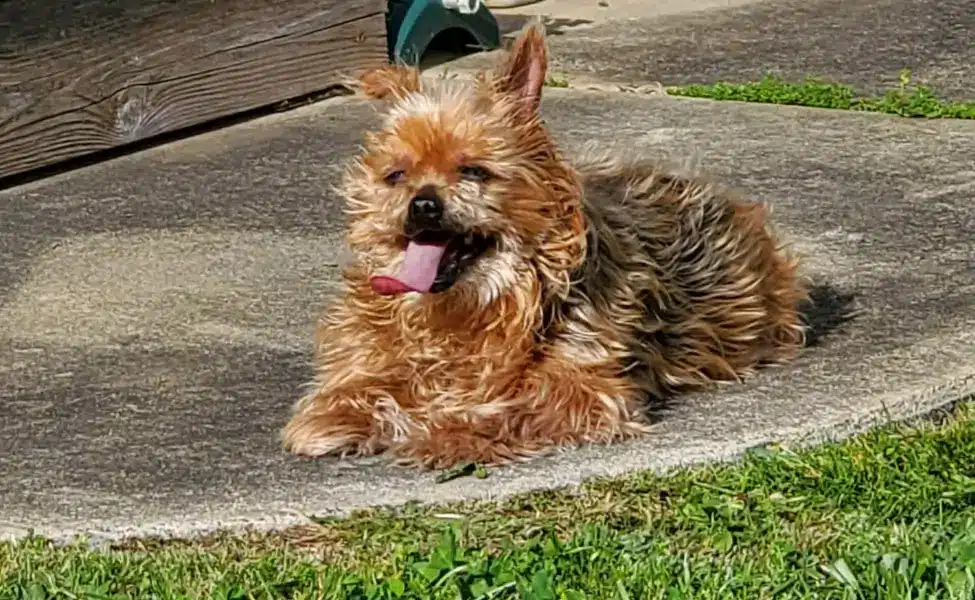
Most have outgrown destructive puppy behaviors like chewing and jumping. Senior dogs generally prefer a more relaxed lifestyle.
They’re content with shorter walks and more cuddle time on the couch. Perfect if you work from home or just like quiet evenings.
They’re also eager to bond with you. Many seem grateful for their new home and show it through steady affection and loyalty.
The Hard Truths About Senior Dogs
Many people avoid senior dogs because they worry about behavioral issues or think old dogs can’t learn. Actually, senior dogs can still learn new behaviors and adjust to your household rules.
The biggest reality is their shorter lifespan. Younger dogs live 10 to 15 more years. A senior dog may have only 2 to 5 years left.
This means you’ll probably face end-of-life decisions sooner than you would with a younger pet. Some senior dogs have unknown histories from previous homes.
However, breed-specific senior rescues and shelters evaluate temperament before adoption. The 3-3-3 rule helps. Expect three days of adjustment, three weeks of settling in, and three months to build full trust.
Senior dogs aren’t problem dogs by default. Many end up in shelters because their previous owners faced life changes like moving, money problems, or health issues.
What Senior Dog Care Actually Costs
Senior dog care takes some financial planning. Older dogs need more frequent vet visits and may have conditions like arthritis, dental disease, or vision problems.
You’ll probably need some special equipment to keep your senior dog comfortable:
- Orthopedic dog bed for joint support
- Ramps or stairs for getting into cars or onto furniture
- Elevated food bowls to reduce neck strain
- Non-slip rugs for hardwood floors
- Senior-specific toys for gentler play
These items help your older friend stay mobile and happy.
Monthly costs include standard preventatives for fleas, ticks, and heartworms, plus any prescription meds. Dental cleanings and bloodwork cost more for seniors since they need extra monitoring during anesthesia.
The upside is that many shelters offer discounted adoption fees for senior dogs. Some even waive fees entirely during Adopt a Senior Pet Month in November.
The cost of adopting a dog is generally lower for seniors compared to puppies, which can help offset future medical expenses.
Where to Find Your Senior Dog
Your local animal shelter is the best place to start when looking for a senior dog companion. Many wonderful older dogs wait in shelters hoping for homes.
You can also search online for senior dog rescues in your area. Plenty of organizations focus just on older dogs and work hard to find them loving homes.
If you’re set on a certain breed, check out breed-specific senior rescues. Sometimes they’ll even transport dogs across regions.
A senior dog sanctuary isn’t quite the same as a regular rescue. These sanctuaries give lifetime care to dogs that probably won’t get adopted, but some do offer adoption programs for healthier seniors.
Talk to shelter staff about any newly surrendered senior dogs. They’re happy to help match you with a dog that fits your lifestyle.
Many senior dog rescue organizations continue to offer post-adoption support and advice as your new buddy settles in.